How to Close or Self-Exclude from Betti Casino and the Limits
 Available in GB

Closing the door is easy, keeping it closed is the hard part
Of everything I write about, this is the topic where I most want to be useful rather than merely informative, because someone reading it may be trying to stop. So I will be direct and supportive in equal measure. Closing or self-excluding from Betti Casino is mechanically straightforward, and I will show you how. But the offshore structure means that closing one door does very little to keep you out of the wider room, and that limitation is the most important thing on this page, more important than the steps themselves.
Account closure and self-exclusion are related but distinct. Closing an account ends your relationship with that operator, often for ordinary reasons, you are done playing, you want to tidy up. Self-exclusion is a stronger act undertaken specifically to manage or stop gambling, blocking yourself from access for a set period. At a regulated UK casino, self-exclusion plugs into a national system that protects you across the entire licensed market. At an offshore casino like Betti, it does not, and that single fact reshapes everything about what closing your account can and cannot achieve.
What follows covers the practical steps to close an account, how self-exclusion works specifically at an offshore operator and where its protection stops, and crucially, where genuinely effective help lives if stopping is what you need. I am writing the third section for anyone who needs it more than the first two, because the mechanics of closing a Betti account matter far less than knowing that the real safeguard is somewhere else entirely.
Closing your account
The mechanical process of closing a Betti account is simple, and there is no reason an operator should make it difficult, though some add friction. Knowing the steps means you can close cleanly and completely rather than leaving a half-closed account that still reaches you.
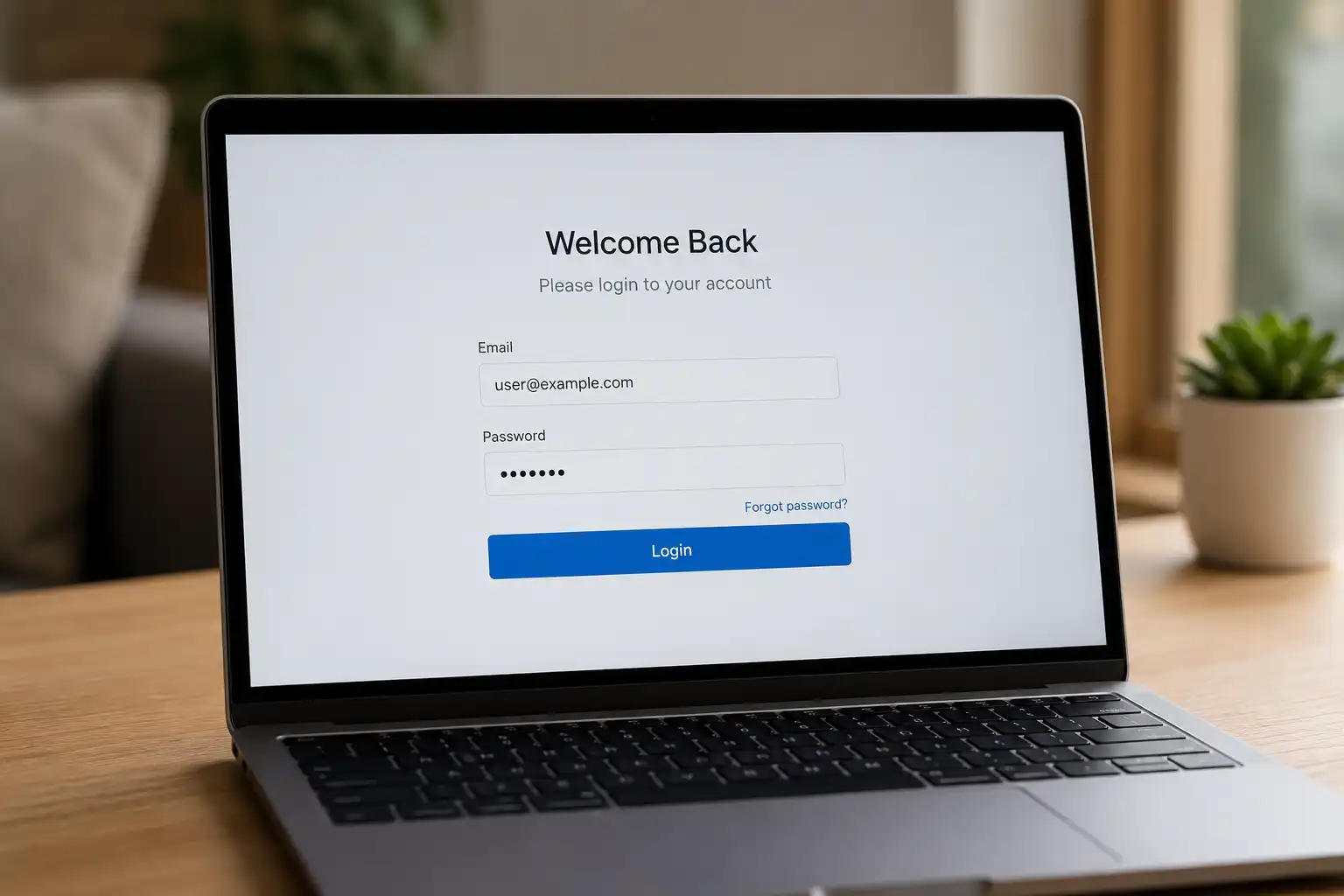
Closure is usually requested through account settings or, more often at offshore sites, by contacting support directly and asking for the account to be closed. Before you close, withdraw any remaining balance, because recovering funds from a closed account is far more awkward than withdrawing them first. Be clear in your request whether you want a permanent closure or a temporary break, as the two are handled differently. Get confirmation in writing that the account is closed, and keep it, because that record is your evidence if the operator later treats the account as merely dormant rather than shut.
One detail catches people out. Closing an account and stopping marketing contact are not always the same action. A closed account can, at some operators, still be associated with a marketing list, so if your goal includes ending promotional emails and messages, state that explicitly and separately, and exercise your data rights to be removed from marketing if the contact continues. Closure ends your ability to play; it does not automatically silence the operator’s outreach unless you specifically require it. Treat the two as separate requests and confirm both, or you may find the door closed but the letterbox still open.
Self-exclusion at an offshore operator
This is where the offshore structure shows its limits most starkly, and where I most need you to understand the difference between what self-exclusion means here and what it means at a regulated site. The word is the same. The protection is not.
When you self-exclude from a UKGC-licensed casino, you can do so through the national scheme, which blocks you across every licensed operator at once, so a single act of self-exclusion closes the entire regulated market to you. When you self-exclude from an offshore operator like Betti, the exclusion is local to that one operator. It stops you at Betti and nowhere else. The next offshore brand, the next sister site, the next casino you find tomorrow, none of them are touched by a self-exclusion that lives only in Betti’s own system. The protection does not travel, and that is the central, dangerous gap.
The scale of self-exclusion tells you how many people rely on this kind of protection and therefore how much the offshore gap matters. By the end of 2025 a total of 562,000 players had registered with the national self-exclusion service, and since its launch in April 2018 around 600,000 people have used it, with the five-year exclusion remaining the most popular choice. Those numbers represent people who took a deliberate step to protect themselves, and the offshore segment is precisely where that protection fails to reach. So while you can and should self-exclude from Betti if you need to, understand that doing so is a single brick, not a wall. It closes one operator while leaving the rest of the offshore market wide open, which is exactly why the next section matters more than this one.
Where real help actually is
If you have read this far because you are trying to stop gambling, this is the section I most want you to act on. The honest truth is that closing a Betti account is a useful step but a weak one on its own, and the effective protection lies in the national infrastructure that offshore self-exclusion cannot replicate.
The cornerstone for someone in the UK is the national self-exclusion scheme, which blocks access across all regulated operators with a single registration, doing in one step what excluding from individual offshore sites one by one can never achieve. Registering with it is the single most effective technical barrier available, because it covers the entire licensed market rather than one operator at a time. Alongside it sit free, confidential support services, the national gambling support network and helplines that offer counselling and practical help at no cost, which address the behaviour rather than just the access. Blocking software that restricts gambling sites on your devices adds another layer, covering even sites outside any voluntary scheme.
The combination is what works: the national scheme to close the regulated market, support services to address why you are gambling, and device-level blocking to catch the rest. Closing a single offshore account is worth doing, but it is the least powerful of these, and treating it as sufficient is the mistake that leaves the offshore door open. If access keeps pulling you back, that is information, not failure, and it points toward the stronger tools rather than away from them. Understanding the wider reasons the non-GamStop segment exists, and the protection trade it represents, is covered in the analysis of why non-GamStop casinos exist and who plays there, which puts your individual decision in its full context. Reach for the national infrastructure first; the account-closure steps above are the smallest part of keeping the door shut.
Does closing my Betti account stop promotional emails?
Not automatically. Closing an account ends your ability to play, but at some operators a closed account can still sit on a marketing list, so promotional emails and messages may continue. If ending that contact is part of your goal, state it explicitly and separately when you request closure, and exercise your data rights to be removed from marketing if the contact persists. Treat closure and marketing opt-out as two distinct requests and confirm both.
Can I reopen a closed Betti account?
It depends on how you closed it. An ordinary closure may sometimes be reversed by contacting the operator, whereas a self-exclusion or a closure requested specifically to stop gambling should be treated as a barrier to respect rather than undo. If you closed an account to manage your gambling, the impulse to reopen it is worth pausing on, and the stronger protection is the national self-exclusion scheme and free support services, which work across the whole regulated market.
Published by the Betti Casino team.