
Betti Casino Crypto Deposits: Bitcoin, Stablecoins and the Fine Print
 Available in GB
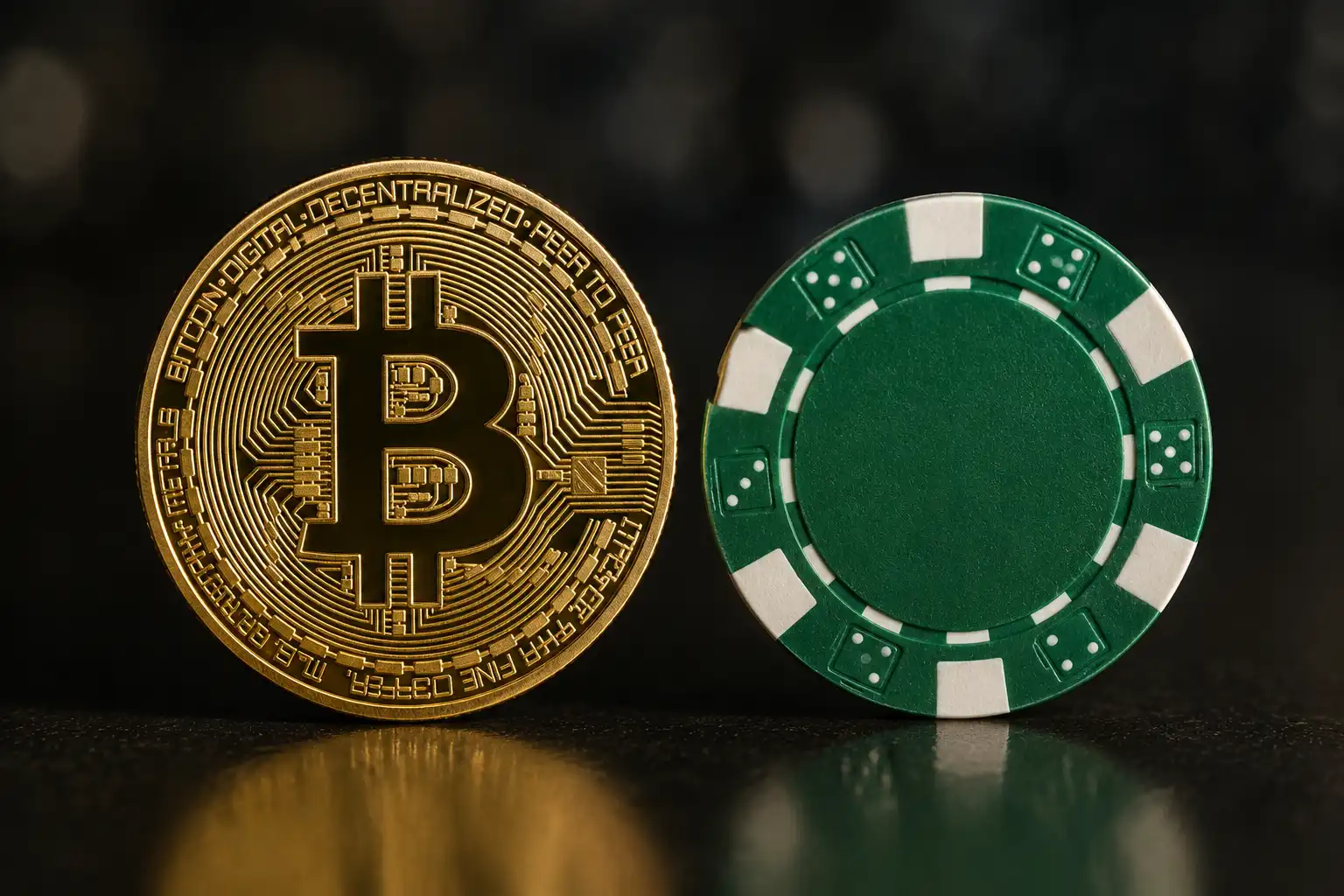
The deposit method everyone calls fast and nobody calls simple
Crypto deposits get sold to players on one word: fast. And it is true that funding a casino account with Bitcoin or a stablecoin can be quicker than waiting on a card or bank transfer. But in twelve years of watching this space, I have learned that “fast” is the least interesting thing about crypto at offshore casinos, and the focus on speed conveniently distracts from everything that actually deserves your attention. Betti Casino accepts crypto, like most of its peers, and the fine print around it is where the real story lives.
Let me set the scene plainly. Crypto deposits at Betti work much as they do across the offshore segment: you send coins from your own wallet to an address the casino generates, the network confirms the transaction, and your balance credits. There is genuine convenience here, particularly for players who already hold crypto. But there is also volatility, conversion mechanics that can quietly cost you, withdrawal rules that differ from deposit rules, and a regulatory shadow lengthening over the whole practice that almost nobody in the affiliate space will mention.
What follows is the unhyped version: which coins Betti typically supports, how the deposit and withdrawal flow actually works step by step, and the regulatory pressure building around crypto gambling that should factor into your thinking. None of this is anti-crypto. It is the context that turns a vague sense that crypto is “fast and modern” into an informed understanding of what you are actually doing when you fund a gambling account with it.
The coins on offer
Treating “crypto” as a single deposit method is the first mistake players make with these accounts, because the label hides at least three different products with very different consequences at the cashier. Offshore operators such as Betti tend to accept a cluster of the more established coins, and picking the wrong one for gambling can quietly cost you more than any deposit fee ever would.
Bitcoin is the default reach, present on almost every offshore cashier and familiar enough that new crypto users gravitate toward it. What Bitcoin also brings is exposure to price movement, its value against sterling can drift meaningfully in the hours or days between funding an account and requesting a payout, and that drift is entirely unrelated to how the session actually ran. Ethereum sits in the same category, widely supported and comparably volatile. The more useful class for gambling purposes is the stablecoins, cryptocurrencies engineered to hold a fixed value against a fiat unit, usually the US dollar. Because a stablecoin does not swing against the pound in any meaningful way over the horizons that matter here, the amount you deposit is roughly the amount you can withdraw once the coin conversion round trip is done.
What this collapses to at the account level is that the coin you choose is a bet before the bet. Fund the balance with Bitcoin and you have implicitly opened a currency position on top of your gambling, one that can eat a winning session or reward a losing one purely on the strength of what BTC/GBP did overnight. Fund the balance with a stablecoin and the gambling outcome sits cleanly on its own, uncontaminated by the crypto market’s mood. Operators rarely surface this trade-off in the cashier UI because volatility cuts in their favour about half the time, so the discipline of picking the right coin for the job is left entirely to the player.
How the deposit and withdrawal flow works
Moving crypto into and out of a casino balance is a manageable sequence once you have done it a couple of times, but every step rewards attention because there is no card issuer standing behind the transaction ready to reverse a mistake. When something goes wrong here, it stays wrong.
The deposit sequence begins in the cashier: pick the crypto option, select the specific coin, and the site generates a unique deposit address, usually displayed as both a hex string and a scannable QR code. You then push the coins from your own wallet to that address and wait for the network to confirm the transaction, the number of required confirmations varies by coin, and total wait swings with network congestion, so a Bitcoin deposit might land in ten minutes on a quiet day and take significantly longer during a spike. The single non-negotiable habit is copying that address character-for-character or scanning the QR rather than typing it. A misdirected send is not a chargeback, it is a permanent transfer to whoever, if anyone, controls the destination, and no support ticket recovers it.
Withdrawals reverse the flow but are not symmetric with deposits, because the delay this time sits on the casino side, not the blockchain side. You submit a payout request to your own external wallet address, at which point the operator’s KYC verification, its withdrawal limits, and its internal processing queue all engage in exactly the way they would for a card withdrawal. The blockchain settlement is quick once the request clears review; the review itself is not. The coin you receive back is generally the coin you funded with, and if that coin was volatile, the sterling value of the payout reflects the price at the moment of settlement rather than the moment of deposit. Understanding that it is the operator’s internal processing, not the network, that governs real-world speed is the whole point, and the deeper picture of how long Betti withdrawals actually take applies to crypto every bit as much as to cards.
The regulatory shadow over crypto gambling
The half of the crypto-gambling story that gets almost no coverage is the one with the longest reach. A deposit method that feels frictionless today can end that way not because it stops working technically, but because the regulatory frame around it changes, and the frame is unmistakably tightening.
What draws offshore operators to crypto is also what draws regulator attention: it moves value across borders outside the conventional banking rails, which makes it harder to see, harder to intercept, and harder to trace back to identifiable parties. Players read this as convenience; supervisors read it as an enforcement gap. The head of the UK regulator has flagged crypto gambling explicitly as an accelerating threat, publicly re-scoping what he described a year or two ago as a five-year-away challenge into an eighteen-months-to-two-years challenge. When a national regulator collapses a timeline that sharply, the message underneath is that policy response is being brought forward, not deferred.
The context that gives the concern its weight is the trajectory of the wider offshore market, of which crypto forms an operational layer rather than a stand-alone cause. UK illegal-operator staking climbed from around £5 billion in 2019 to £16.6 billion in 2025, and the projections do not flatten from here; forecasts put the black market at over £33 billion by 2028, at which point almost one pound in every five staked online could be routed through unlicensed operators. Crypto plumbing is what makes cross-border play at that scale operationally workable, which puts it directly in the regulatory line of sight. The practical takeaway divides in two: use crypto in full awareness that the rules around it are unsettled and hardening, and never treat today’s frictionlessness as a durable feature of the method. What is convenient in 2026 will not necessarily be convenient in 2028, and the transition from one state to the other rarely gives players much notice.
Does Betti credit crypto deposits instantly?
Not quite instantly. A crypto deposit credits after the relevant blockchain confirms the transaction, which takes a number of network confirmations and varies by coin and congestion, from a few minutes to longer. It is generally faster than card or bank funding, but the speed depends on the network, not the casino. The most important step is copying the deposit address exactly, since a mistyped crypto transaction cannot be reversed.
Are crypto winnings paid back in the same coin?
Generally yes. Withdrawals are usually paid in the coin you deposited, sent to a wallet address you provide. If you deposited in a volatile coin such as Bitcoin, the value you receive reflects the price at withdrawal time, not deposit time, so price movement can erode or amplify your balance. Using a stablecoin keeps the gambling outcome and currency exposure separate, which avoids that volatility entirely.
Prepared by the Betti Casino editorial staff.