Betti Casino Customer Support: Channels, Hours and Real Response Times
 Available in GB
The test I run on every support team
My standard way of evaluating a casino’s support is not to ask a question I need answered. It is to ask a question I already know the answer to, and watch how they handle it. Speed, accuracy, whether the agent reads what I wrote or fires back a script, whether they can actually do anything or only apologise. That test cuts through marketing claims of “24/7 award-winning support” faster than anything, and applied to Betti Casino it reveals the same truth it reveals across the offshore segment: support can be responsive and pleasant and still be unable to help you with the thing that matters most.
Betti offers the channels you would expect, live chat as the front line, email for anything that needs a paper trail, and a help section for the routine questions. The realistic picture of how these perform is more nuanced than either the operator’s promises or the angriest reviews suggest. Chat is usually quick for simple things. Email is slower and better for disputes. And there is a hard ceiling on what any support agent can do for you that has nothing to do with their competence and everything to do with the structure they work within.
What follows sets realistic expectations: the support channels Betti provides and what each is good for, the response times you can actually expect rather than the advertised ones, and the critical distinction between customer support and player protection, a distinction that defines exactly where the help runs out. Knowing this before you need support is far better than learning it mid-crisis.
The channels on offer
Support channels are not interchangeable, and matching the right channel to the right problem saves you enormous time. Betti’s setup follows the offshore standard, which means the choice of channel is yours to make wisely.
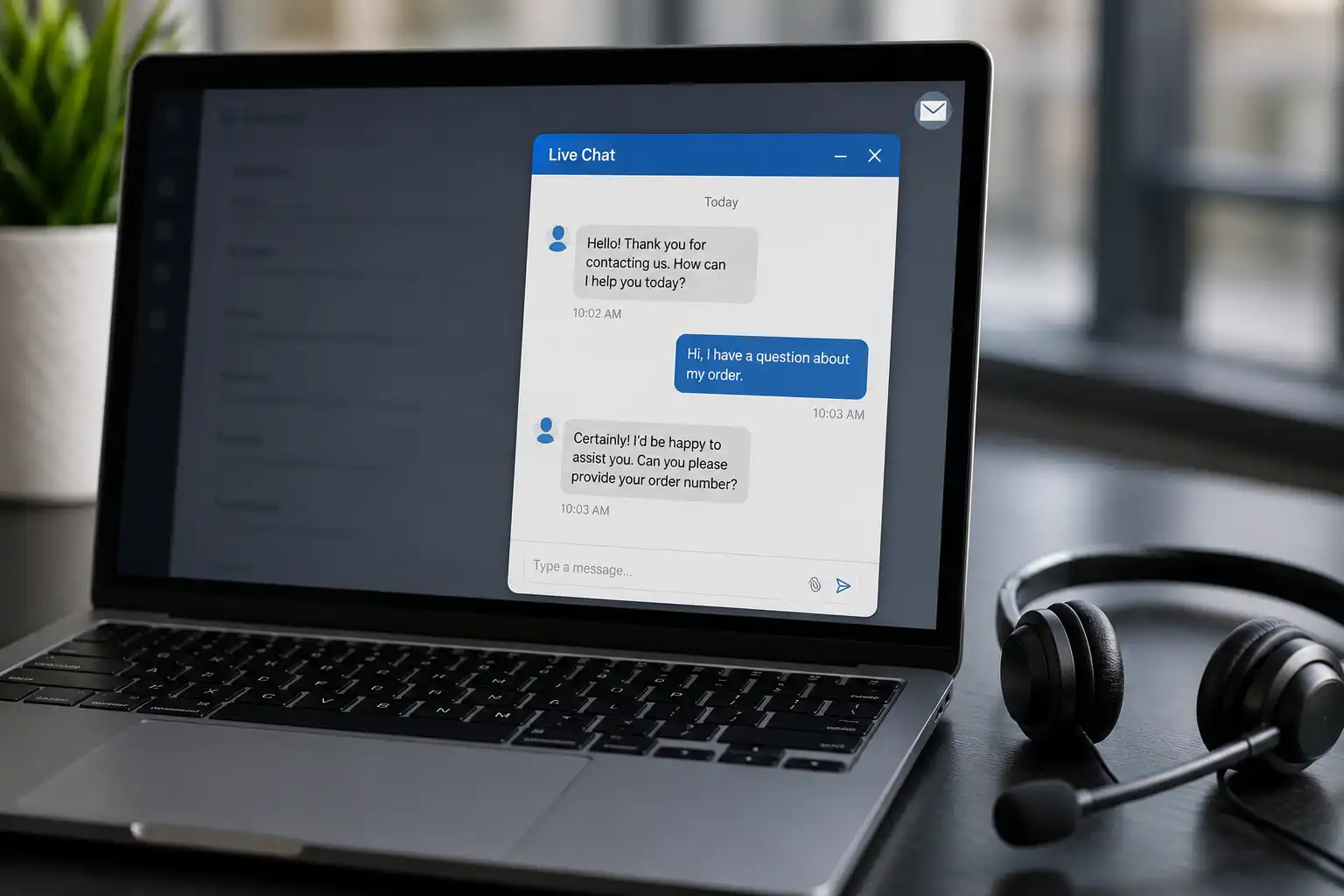
Live chat is the workhorse. It sits behind a button on the site and connects you, usually fairly quickly, to an agent or increasingly to a chatbot that handles the first layer before passing you to a human. Chat is excellent for the routine, where is my bonus, how do I set a deposit limit, why is this game not loading. It is poor for anything contentious, because chat agents work from scripts and rarely have authority over payouts or account decisions. Email is the second channel, slower but more substantial. Anything involving a dispute, a withdrawal problem, or a formal complaint belongs in email precisely because it creates the documented record you will need if the matter escalates. The help or FAQ section is the third layer, a self-service resource for the questions that do not need a human at all.
The practical discipline is to triage your own problem before you reach out. Routine and urgent goes to chat. Contentious and documentable goes to email. Trivial goes to the help section first. Players who fire every problem at live chat end up frustrated when the chat agent cannot resolve a payout dispute, not because the agent is poor but because that was never a chat-resolvable problem. Channel choice is half the battle.
The response times you can actually expect
Now to the gap between the advertised “instant 24/7 support” and the lived reality. The truth is that response time varies enormously by channel, by time of day, and by how contentious your issue is, and the headline promise rarely survives contact with a real problem.
Live chat genuinely can be fast for simple queries, often a wait of minutes during busy hours and quicker off-peak, though an initial chatbot layer can add friction before you reach a person. The catch is that a fast first response is not the same as a fast resolution. An agent who replies in two minutes and then says your issue has been “escalated to the relevant department” has given you speed without substance. Email is slower by design, with replies often taking a day or more, but it is where genuine resolution of complex matters actually happens, on the operator’s timeline rather than yours.
The variable that matters most is contentiousness. Simple questions get fast, helpful answers because there is no conflict of interest. The moment your query touches money the operator would rather not pay, a delayed withdrawal, a disputed bonus, an account hold, response times stretch and answers grow vaguer. This is not a Betti-specific failing; it is a structural feature of how support functions when the support team’s employer is also the party you are in dispute with. Set your expectations accordingly: brisk and useful for the routine, slow and guarded for the contentious, and budget your patience for the latter.
Where support ends and protection begins
This is the section that reframes the whole topic, and it is the one nobody writing about casino support seems willing to state plainly. Customer support is not player protection, and confusing the two is dangerous because it makes the offshore segment feel safer than it is.
A support agent can reset your password, explain a bonus term, or chase a stuck withdrawal internally. What an agent cannot do is act as an independent safeguard against the operator’s own interests. At a UKGC-licensed casino, your protection comes from the regulator and the mandatory systems behind it, not from the support desk. At an offshore casino, there is no equivalent backstop, so the friendly agent on chat is the entire human-facing layer, and that layer works for the operator. When you ask support to reverse a deposit or override an account decision, you are asking the operator’s employee to act against the operator, which is precisely where the help reliably runs out.
The regulatory perspective sharpens why this matters. The UK regulator’s chief executive Andrew Rhodes said he does not understand why anyone in the licensed industry would want to be in business with a company that is supporting illegal competition, a remark aimed at the wider unlicensed market that Betti’s segment sits within. The point for you is that the regulator views this segment as outside the protective structure entirely, which means support, however courteous, is not protection. The enforcement effort underlines the gap: in the current financial year the regulator’s specialist team referred around 200,000 URLs to search engines and tracks the traffic of more than 1,000 illegal operators. That is the regulator acting on the segment, but it does nothing to help you in a live support dispute. Treat support as a service desk, useful and worth using well, but never mistake it for a safeguard. For the issues support most often cannot resolve, the realities of how Betti’s payments and withdrawals actually work explain where the real friction sits.
Is Betti’s live chat available 24/7?
Live chat is generally available around the clock at offshore casinos like Betti, though an initial chatbot layer often handles the first response before a human agent takes over. Availability is not the same as resolution speed: chat is fast for routine queries but limited on anything contentious, since agents work from scripts and rarely hold authority over payouts or account decisions. Use it for simple, urgent matters.
Can support help reverse a deposit?
Generally no. A support agent works for the operator, so asking them to reverse a deposit or override an account decision means asking an employee to act against their employer’s interest, which is exactly where the help runs out. Support can explain processes and chase issues internally, but it is a service desk, not an independent safeguard. For deposit reversals, a bank or card chargeback is the only route, and it carries its own risks.
Written by the editors at Betti Casino.